
 AFM针尖
AFM针尖
 校准标准
校准标准 AFM资料
AFM资料 分销商
分销商AFM资料
返回
Spider-Silk-like Fiber Mat-Covered Polypropylene Warp-Knitted Hernia Mesh for Inhibition of Fibrosis under Dynamic Environment
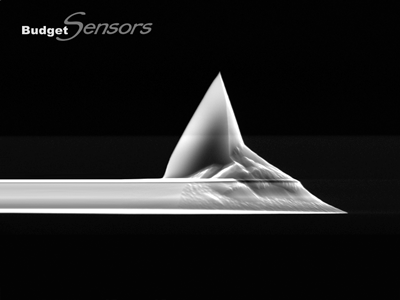
该研究中使用的AFM针尖
摘要
Hernia surgery is a widely performed procedure, and the use of a polypropylene mesh is considered the standard approach. However, the mesh often leads to complications, including the development of scar tissue that wraps around the mesh and causes it to shrink. Consequently, there is a need to investigate the relationship between the mesh and scar formation as well as to develop a hernia mesh that can prevent fibrosis. In this study, three different commercial polypropylene hernia meshes were examined to explore the connection between the fabric structure and mechanical properties. In vitro dynamic culture was used to investigate the mechanism by which the mechanical properties of the mesh in a dynamic environment affect cell differentiation. Additionally, electrospinning was employed to create polycaprolactone spider-silk-like fiber mats to achieve mechanical energy dissipation in dynamic conditions. These fiber mats were then combined with the preferred hernia mesh. The results demonstrated that the composite mesh could reduce the activation of fibroblast mechanical signaling pathways and inhibit its differentiation into myofibroblasts in dynamic environments.